

-
5 min read
Hardwood With Big Dogs: What Actually Hides Scratches Better?
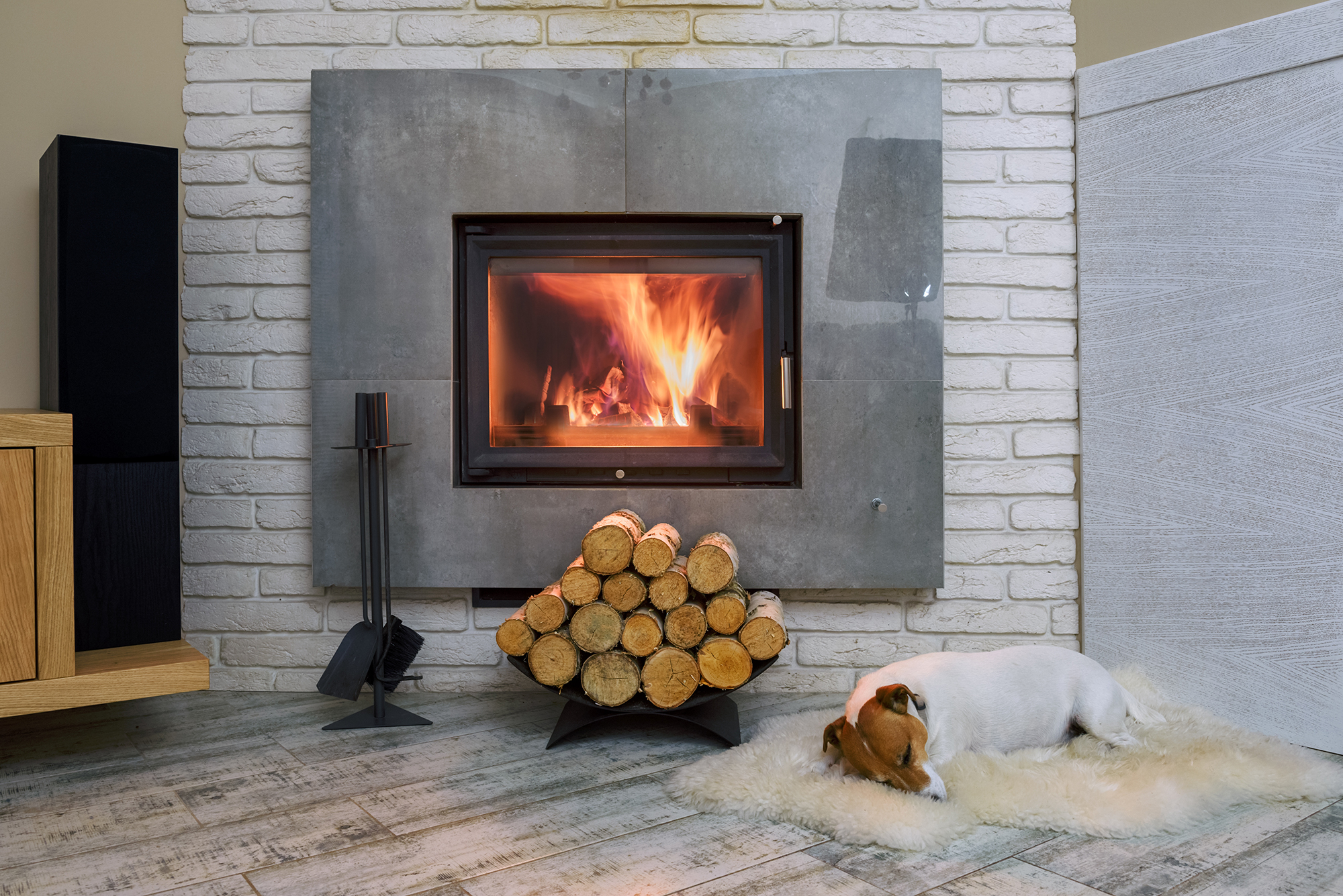
Big dogs change the flooring conversation fast. Species hardness helps, but finish chemistry, sheen level, and surface texture often matter more in real daily wear.
Big dogs change the flooring conversation fast. Species hardness helps, but finish chemistry, sheen level, and surface texture often matter more in real daily wear.
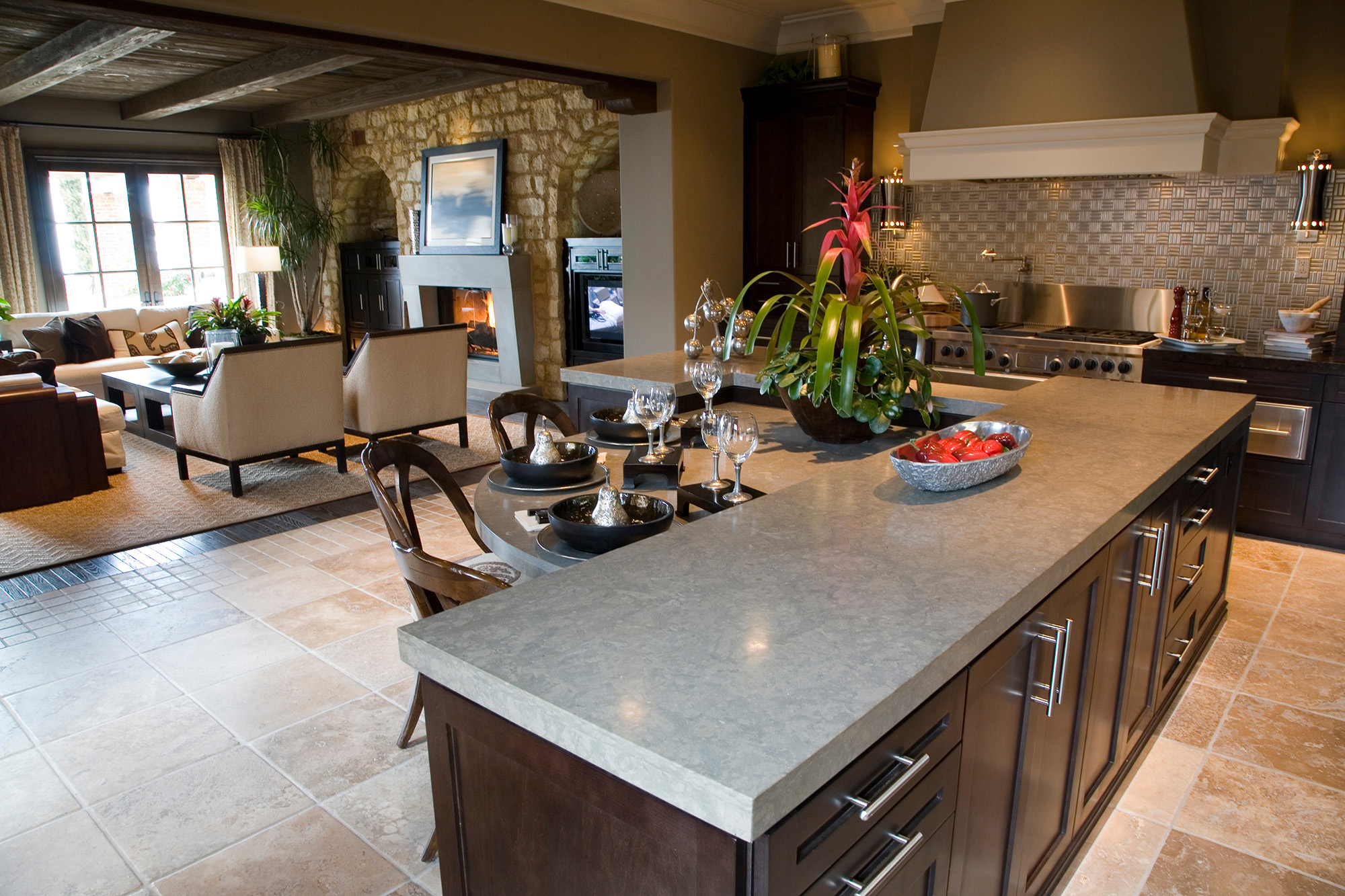
Hardwood-to-tile transitions can look seamless, but only if height planning, substrate prep, and layout are handled before installation starts. This guide explains flush transitions, height build-up, and where clean lines fail in real homes.
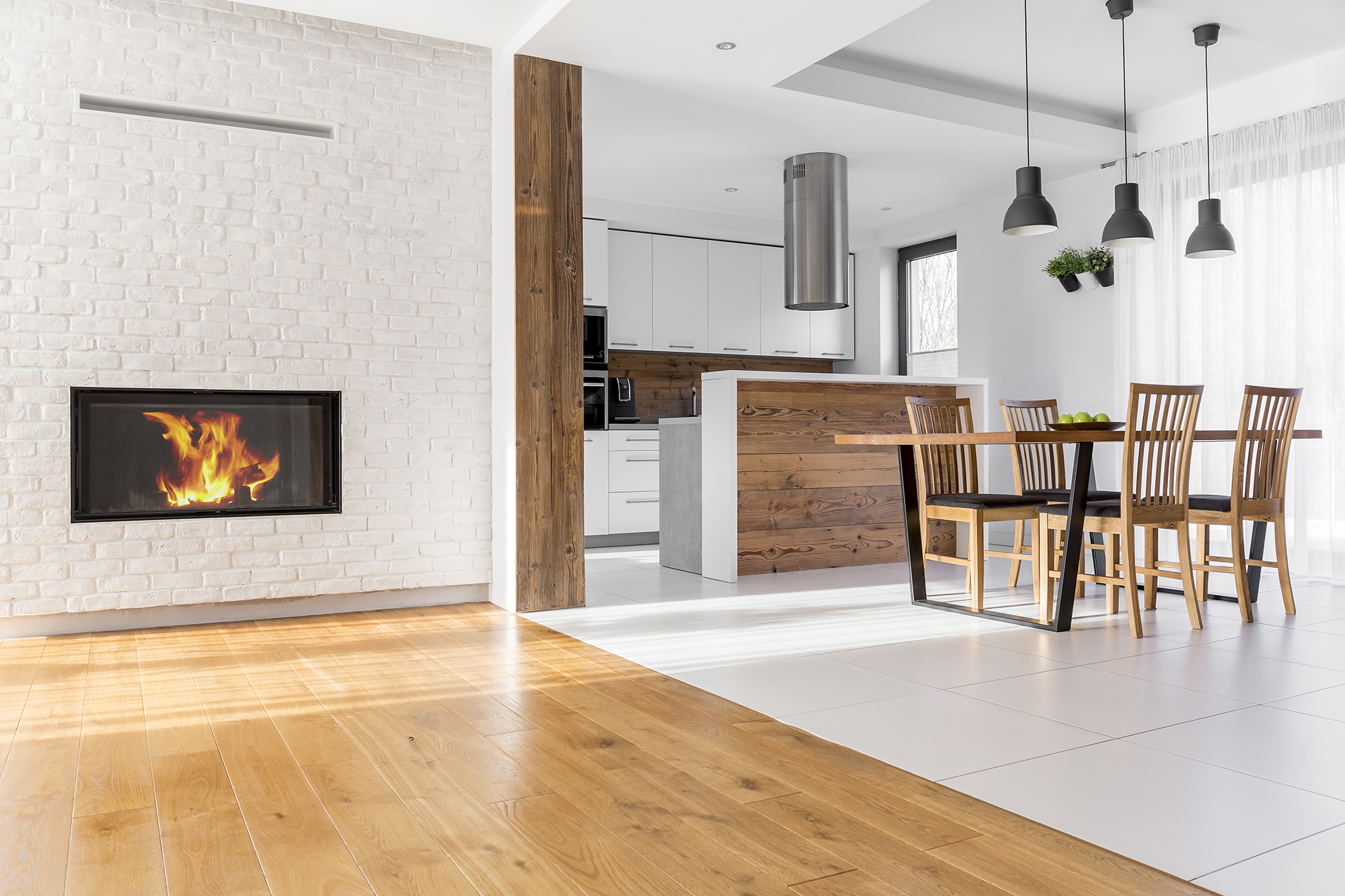
How to choose and install transitions that don’t rock, gap, snag socks, or crack at the seam after a season of house movement.
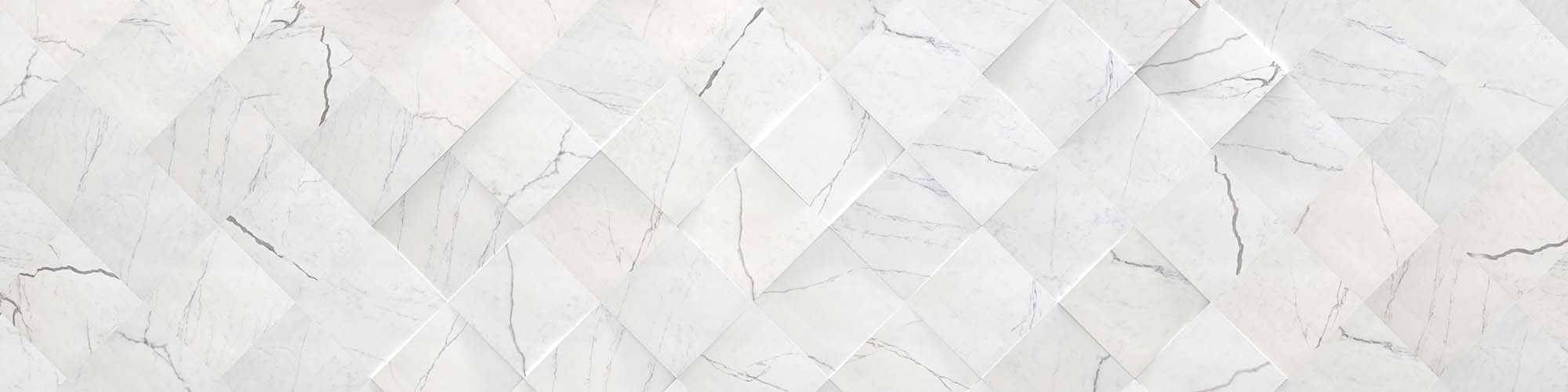
How to get that handmade, imperfect-glossy vibe using porcelain that behaves itself, with the right edge details and grout strategy.

A practical comparison of modern flush nosings vs traditional overhangs, with code-critical dimensions and durability tradeoffs.

DCOF ratings determine how safe tile flooring is when wet—not just how it looks. Choosing the right tile finish prevents slips without sacrificing design.
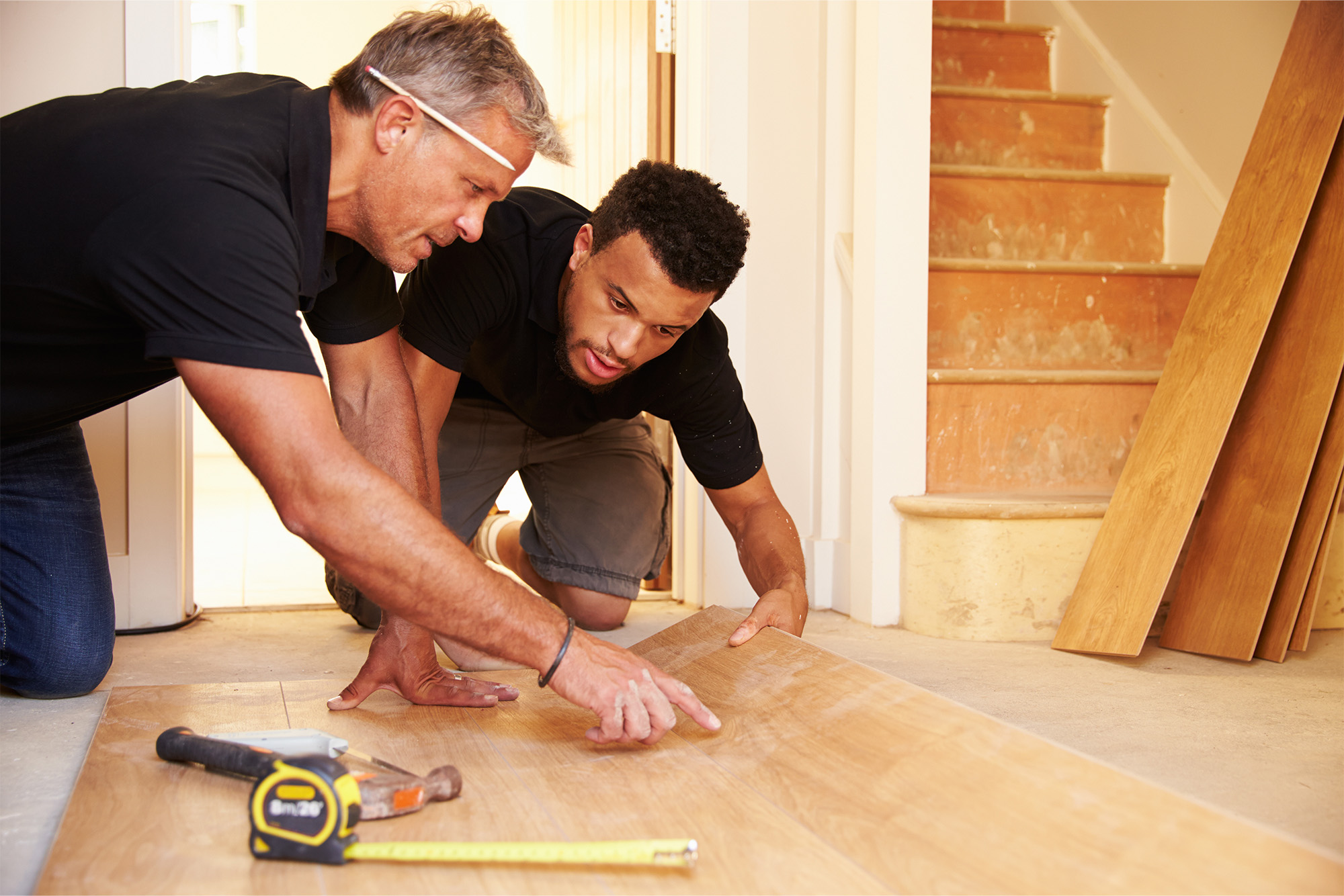
Concrete slabs release moisture long after construction, putting hardwood floors at risk without proper testing. Professional moisture testing ensures the right product and installation method from day one.

Patchy floors are usually caused by lighting, layout, or installation—not bad materials. Proper planning and professional installation create consistent, balanced results.

Barefoot comfort depends on temperature stability, texture, and subfloor prep—not just softness. Hardwood and tile can both feel great when chosen and installed correctly for Texas slab homes.
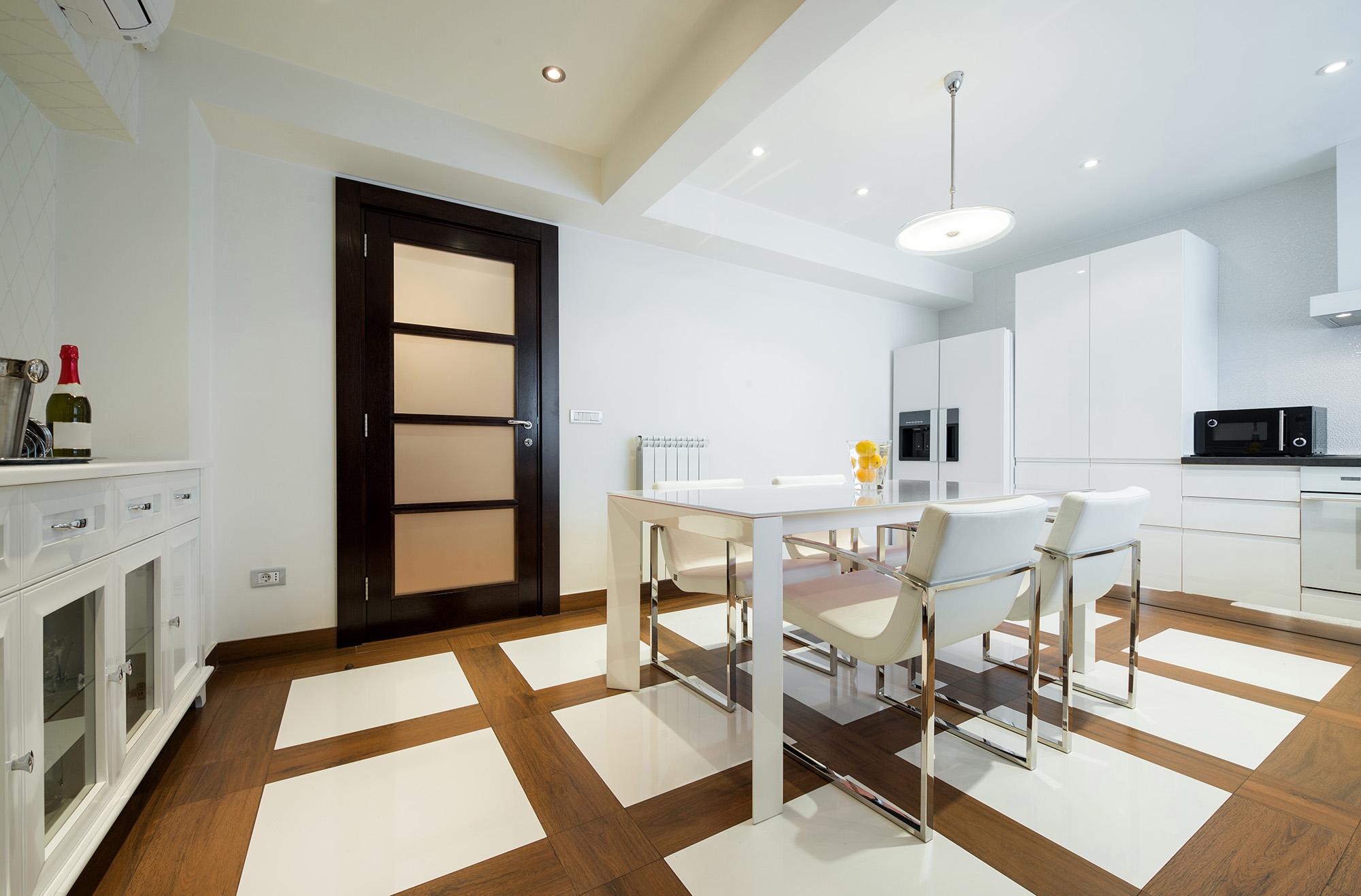
This article explains how intentional flooring choices guide the eye, define zones, and create calm without adding walls or clutter.



