

Grout Has Four Jobs And Sealing Is Not One Of Them
Grout exists to fill the space between tiles, protect the tile edges from chipping, transfer load between adjacent tiles, and make the whole thing look finished. Those are real and important jobs. Keeping water out of the assembly is not among them, and it never has been.
Standard cementitious grout is essentially a fine concrete. Concrete is porous. Water moves through it slowly, but it does move through it, and it always has. That is not a defect or a sign of cheap material. It is simply what the product is, and every tile assembly ever built has been designed with that property assumed rather than treated as a problem.
The Waterproofing Is Somewhere You Cannot See
In a properly built wet area, the waterproofing is a separate system sitting behind or beneath the tile. Depending on the method, that is a sheet membrane, a liquid applied coating, or a pan assembly with a pre slope feeding the drain. The tile and grout on top of it are the wear surface and the finish. The membrane underneath is the part actually holding water back.
This is why a shower can look absolutely perfect and still be leaking into the wall or the floor below. Nothing visible has failed. The tile is fine, the grout looks clean, and the water is getting past a layer nobody can inspect without opening the wall. It also explains why a shower that was built well can run for decades with no issue while one that skipped the membrane starts causing damage inside the first couple of years, with no outward difference between the two on install day.
What Sealer Actually Does
Grout sealer is a water repellent, not a barrier. It reduces how quickly liquid soaks in, which buys you time to wipe up a spill before it stains. That is genuinely useful and worth doing. What it does not do is convert a porous material into a waterproof one, and it wears away with foot traffic and cleaning, which is why resealing is a maintenance task rather than a permanent fix.
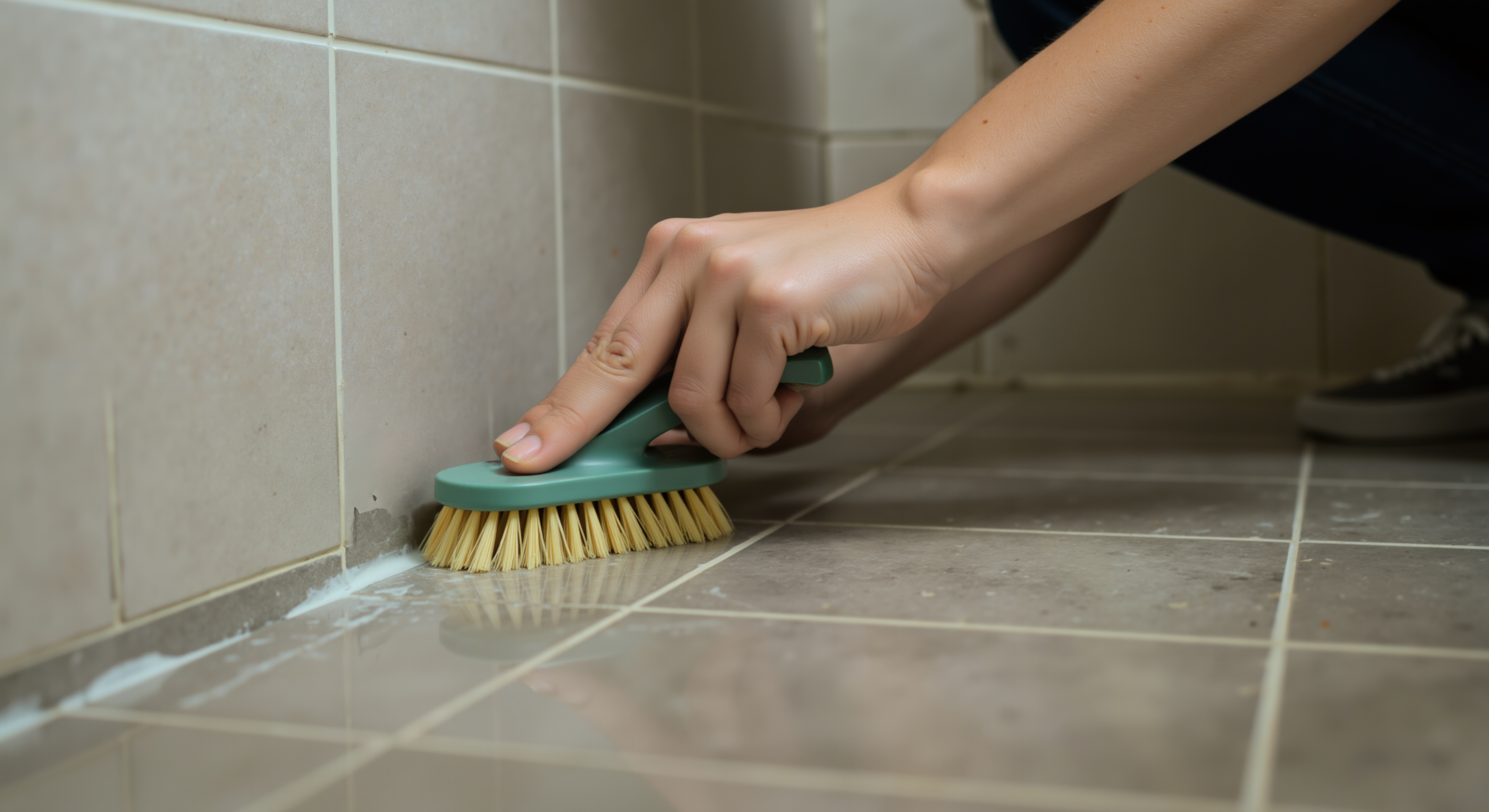
There is a real irony in how much effort goes into this. Plenty of homeowners spend a weekend on hands and knees sealing every grout line in the house under the impression they are waterproofing the floor. What they have actually done is make the grout easier to clean and slower to discolour. Both are worthwhile outcomes. Neither is protection against water reaching the substrate.
Where This Changes The Conversation
Once you know the waterproofing lives underneath, the questions worth asking shift entirely. Grout colour and tile format are design decisions. Whether there is a membrane, what kind, how the drain and any pre slope are handled, and how the transition at the curb or threshold is treated are the decisions that determine whether the assembly performs.
It is also worth knowing that epoxy grout, while far less porous than cementitious grout and a strong choice in wet or heavily used areas, still is not a waterproofing system by itself. Choosing it is a sensible upgrade for certain rooms. It is not a substitute for the layer that does the real work, and any installer who suggests otherwise is worth a second opinion.
None Of This Is A Reason To Avoid Tile
Tile assemblies work extremely well in wet areas, which is exactly why they have been the default for bathrooms and kitchens for a very long time. Porcelain itself absorbs very little water, the system as a whole is proven, and a correctly built tiled shower will outlast most other finishes in the house by a wide margin.
The point is not that tile is risky. The point is that tile is a system rather than a single product, and the visible part is not the part doing the waterproofing. Homeowners who understand that ask better questions, spot a rushed job faster, and end up with floors and showers that hold up the way they were supposed to.
At Dungan's Floors, we will happily walk you through the full assembly for any wet area project, including what sits under the surface and why it matters more than the grout colour you pick. Browse our tile range when you are ready to look at the visible part too. We serve homeowners throughout Mckinney, TX, Allen, TX, Plano, TX, Princeton, TX, Prosper, TX, and Celina, TX from our showrooms at McKinney, TX. Contact us to talk through how your project will actually be built.


