

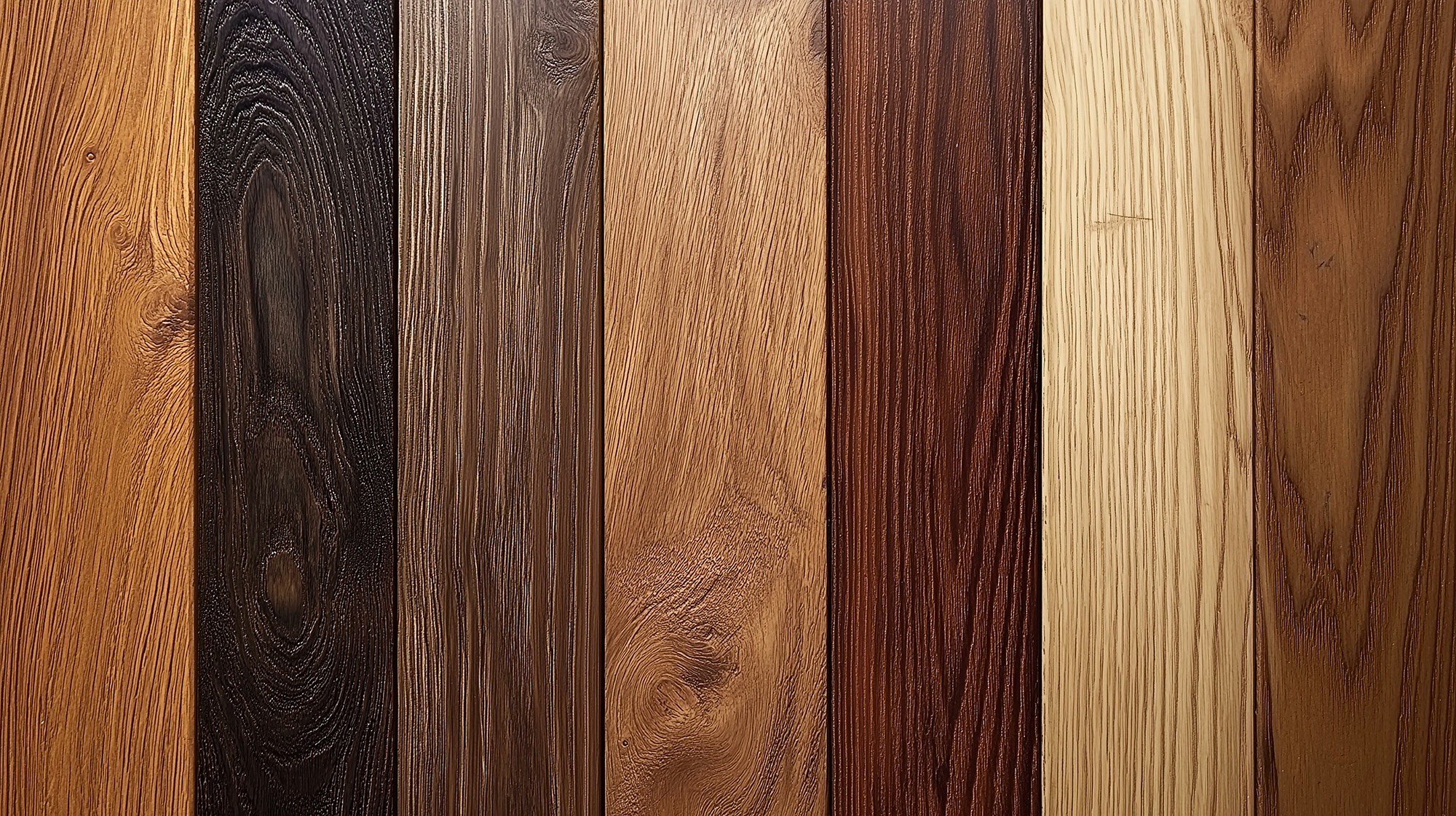
Choosing a hardwood species isn't just a style decision. Hardness, grain pattern, and how the wood reacts to McKinney's swings in humidity all affect how your floor performs for the next twenty years.
Most McKinney remodels come down to three practical choices: white oak, red oak, and hickory. Each one handles daily wear, refinishing, and matching with existing trim differently, so it helps to know what you're actually buying before a sales rep hands you a sample board.
White Oak The Steady Standard for McKinney Homes
White oak has become the default recommendation for good reason. It carries a Janka hardness rating around 1360, its grain runs straighter and tighter than red oak, and its closed cell structure makes it more resistant to moisture penetration during Texas humidity swings. That closed grain also means stain takes more evenly, which is why so many current gray, greige, and warm neutral floor colors are milled from white oak rather than red.
If you're remodeling a home built in the last fifteen years, there's a good chance your existing trim and cabinetry already lean toward these cooler, more neutral tones. White oak blends into that palette without a fight. It's also the species most domestic mills are still producing in volume, so availability and lead times tend to be more predictable than imported alternatives right now.
Red Oak Warmth That Matches Older McKinney Construction
Red oak has a pinkish, warmer undertone and a more pronounced, open grain pattern than white oak. It's slightly softer at a Janka rating near 1290, but the difference in daily durability is minor for most households. Where red oak actually matters is in remodel matching. Homes built in McKinney through the 1990s and early 2000s were overwhelmingly floored in red oak, and if you're refinishing one room or extending an existing floor into an addition, matching species is the only way to avoid a visible seam.
Red oak also takes darker, warmer stains beautifully because its open grain absorbs pigment differently than white oak. If your remodel includes original hardwood you're not replacing, bring a sample of that existing floor into the showroom before ordering anything new. Matching within the same species gets you close. Matching the actual cut and finish sheen gets you invisible.
Hickory Built for Durability in High Traffic Rooms
Hickory is the hardest of the three, with a Janka rating around 1820, and its grain is dramatic, with strong color variation between heartwood and sapwood in the same board. That variation isn't a flaw, it's the whole appeal for homeowners who want a rustic, high character look in kitchens, mudrooms, or homes with large dogs.
The tradeoff is subtlety. Hickory doesn't disappear into a room the way white oak does. It's a statement floor, and it photographs and shows differently under different lighting than the other two species. It also costs more per square foot in most cases, so it's worth reserving hickory for rooms where the durability and the look both earn their keep, rather than running it through an entire house by default.
How to Choose Between the Three
If you're matching an existing floor, species comes first and everything else is secondary. If you're starting fresh, decide how much grain movement you want to look at every day before you decide on color. White oak gives you a calmer, more consistent surface. Red oak gives you warmth and wide compatibility with older McKinney homes. Hickory gives you the most durability and the boldest look, at a premium.
None of these decisions should be made off a five inch sample chip under fluorescent showroom lighting. Wood color shifts noticeably under natural light, and finish sheen changes how dramatic the grain reads from across a room. Bringing home full size samples, or better yet viewing installed hardwood in a similar McKinney home, gives you a far more accurate read before you commit to an order.
Get the Right Species for Your Home
At Dungan's Floors, our project specialists walk through all three species with you side by side, including how each one is currently priced and what lead times look like given ongoing material shifts in the hardwood market. We serve homeowners throughout Mckinney, TX, Allen, TX, Plano, TX, Princeton, TX, Prosper, TX, and Celina, TX from our showrooms at McKinney, TX, and we'll help you land on a species that matches your home, your budget, and how hard your household actually uses its floors. Contact us to schedule a showroom visit or an in-home consultation before you finalize your remodel.


